Calls for Wales to copy Scotland’s “powerful and effective” child poverty measures
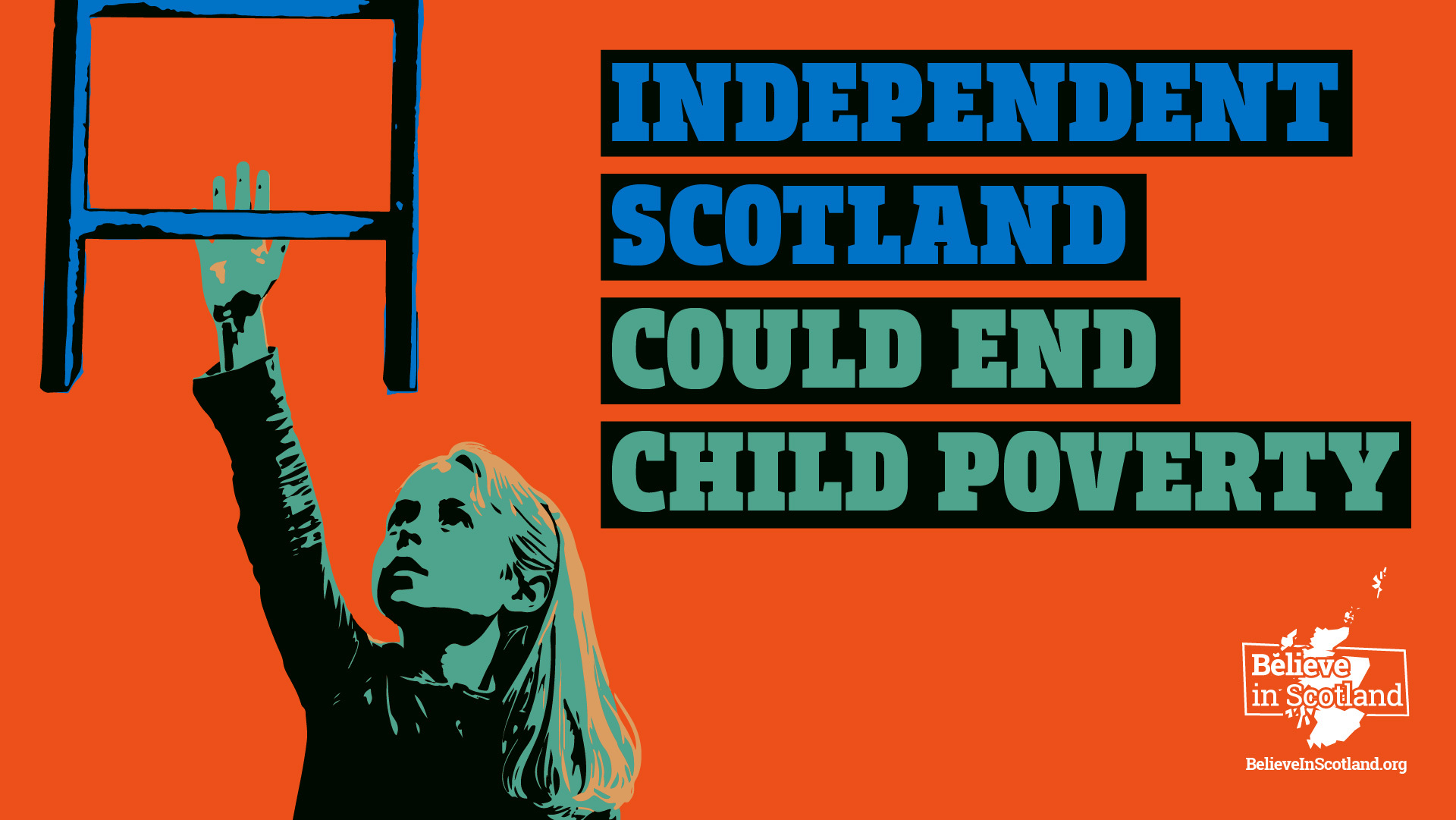
The Scottish Parliament’s child poverty measures have seen a “parting of the ways” with England and Wales. Wales’ Bevan Foundation is calling for Wales to emulate what Scotland is doing as a powerful and effective way to lift children out of poverty.
Scotland has seen a 12% drop in child poverty since introducing reduction targets into law in 2017, according to new research. There has been a reduction of 21,000 children living in relative poverty, while in the same period, England and Wales have seen a 15% rise, said the Big Issue.
John Bird, Big Issue founder and crossbench peer, said England’s approach was driving child poverty to “pernicious” levels. The magazine's analysis of UK child poverty statistics found that the assent of the Child Poverty (Scotland) Act 2017 was a “parting of the ways” for the different home nations’ trajectories on child poverty.
A Welsh MP said that Wales should look to Scotland for inspiration in cutting child poverty numbers. Montgomeryshire and Glyndwr MP Steve Witherden praised research by the Bevan Foundation which found that creating a “Welsh Child Payment”, based on the Scottish benefit, would be the “most powerful and effective” way of cutting child poverty.
Believe in Scotland founder Gordon Macintyre-Kemp said: “It’s abundantly clear that the Scottish Government is trying to address child poverty, whilst the UK Government is hell bent on policies that create child poverty. In so many ways, being a part of the UK is making reducing child poverty in Scotland harder.
It is not possible for Scotland to truly tackle child poverty without the full powers of independence. As an independent country, Scotland could focus on creating a well-being economy and ending the systemic poverty which still affects far too many children in Scotland.”
Prof Ruth Patrick, a professor in social policy at the University of York, told the Guardian recently: “The progress Scotland has made on driving poverty rates down shows another way is possible. The UK government could lift 700,000 children out of poverty overnight by matching Scotland’s fiscal commitment to driving poverty down."
Child Poverty rates in the UK are rising fast in international comparisons
Child poverty in the UK is rising up the international league tables and it is now much higher than in comparable European countries.
Scots can look at other similar-sized countries, many without Scotland’s wealth of natural resources, and be confident that under independence, Scotland would be able to do much more to end the kind of deep poverty which damages children’s life chances.
International comparisons on child poverty
A report from UNICEF provided us with comparable child poverty statistics for most advanced economies. It showed the rapid progress the UK has made in terms of child poverty - in the wrong direction. With a rise of 20% in a decade, the UK is doing twice as badly on this metric as any other country in the report.
The UK has zoomed in the wrong direction
Over the last decade, the UK has shot into the red with a 20% rise in the number of children living in poverty. It is very far below any of the other 39 countries which feature in the UNICEF report. The next worst country is Iceland with a rise of 11% in the rate - about half what the UK has let slip.
At the other end of the table, Poland has reduced child poverty by nearly 40%. Also pushing into the green are Slovenia, Latvia and Lithuania who have all reduced child poverty by almost one third.
Not only has the UK surpassed every other country with the speed of change but in absolute terms it is also far below many countries that are less wealthy. One in 10 children are in poverty in Denmark - nearly one in three in the UK
In many of the Scandinavian countries that have comparable geography and population size to Scotland, about one in ten children live in poverty. Denmark is at the top of the list at just under one in ten.
Wealthy countries like Germany, Belgium and Canada have an absolute rate of child poverty between 15 and 17%. In the UK, the most recent figures from the Social Metrics Commission show it is around 36%.
Britain ranked 37th out of the 39 nations in the European Union (EU) and the Organisation for Economic Co-operation and Development (OECD) based on a measure combining income poverty rate for children and the country’s success in reducing child poverty in a time of growing prosperity.
The iniquitous prices Scottish families pay for energy makes the situation hard for many
But the Scottish Government’s efforts to reduce child poverty are challenged by the extortionate energy bills families have to pay. Fuel poverty rates in Scotland are more than double the rate in England. At 31%, they are far higher than any EU country - and four times the levels of countries like Scandinavia or Ireland.
Scotland is rich in energy resources - Scotland makes double its population share of UK electricity. Scotland produces a lot of renewable energy - and it could produce more. But the profit from this goes to swell the coffers of private companies owned by international investors like BlackRock and the Qatar Investment Authority.
The decision to privatise energy was an ideologically driven experiment by Westminster Conservative governments of the late 20th century that Scotland didn’t vote for.
Conclusion
An independent Scotland could do better
Many Scots have been disappointed by the current UK government’s determination to keep the damaging two child cap in place that discriminates against children in larger families.
Scottish families are also counting the cost of other Westminster policies that drive poverty - such as handing over Scotland’s energy infrastructure to money men who are bleeding Scots dry just to heat their homes.
As part of the UK, Scotland can only partially mitigate Westminster’s policies. It doesn’t hold the levers of power. The decisions Westminster makes are not based on what Scotland needs or what her people vote for.
The appalling rates of child poverty in the UK are the result of choices. They are choices Scotland’s people did not make. An independent Scotland will be free to make different ones and to learn from the example of other nations which are tackling child poverty.
